Food compliance and formulation, in plain English.
Built for everyone working in food, whatever your background. Whether you’ve spent twenty years in R&D or you’re developing your first product, the rules and the science should be readable. Anna-Sophie and the Canoli team unpack what’s changing in the food ecosystem, what it means, and what to do about it.
-
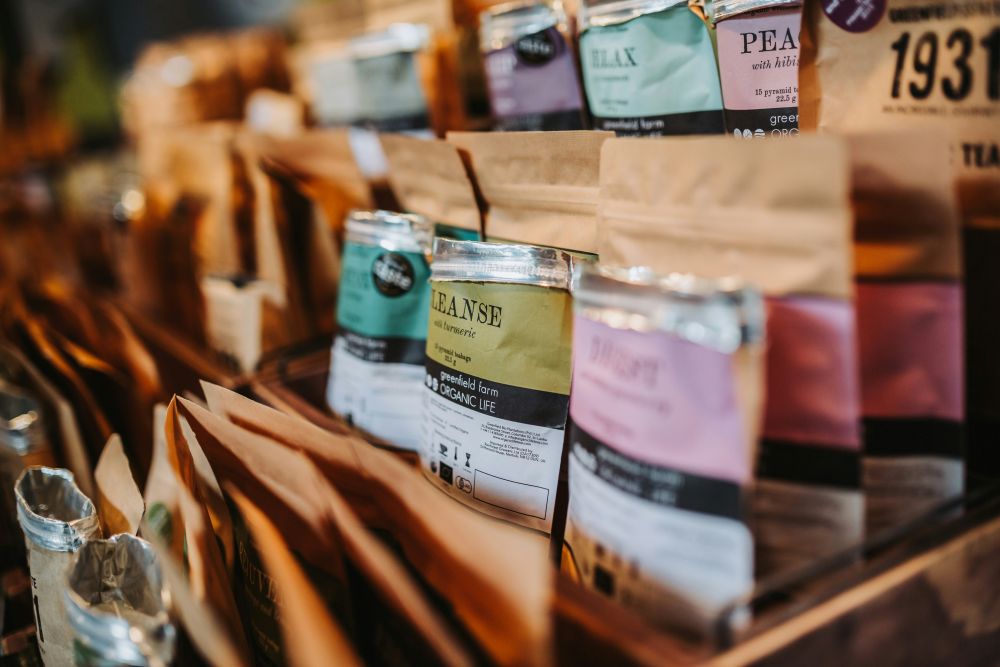
UK food origin labelling: what's already law, and what isn't yet
UK origin labelling already covers meat and fish. Flag claims and composite foods don't, and two rival proposals are fighting over what comes next.
-

What is precision-fermented protein? Has the UK approved it?
The US has cleared seven precision-fermented proteins for sale. The UK and EU have cleared none. Here is why, and the allergen risk hiding behind it.
-
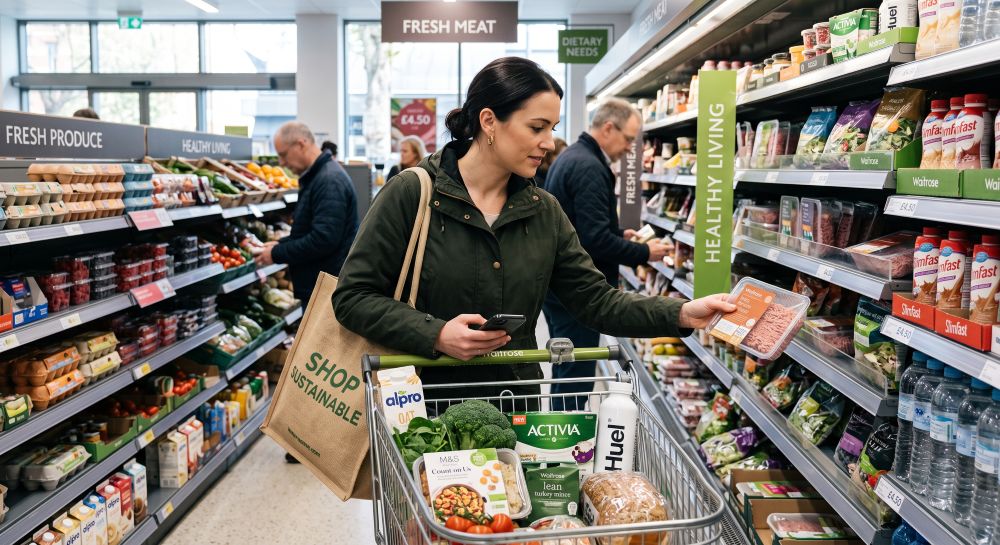
What are the UK's 1.6 million GLP-1 users really eating?
1.6 million UK adults are on GLP-1 medication, and new UK data shows they are eating differently, not just less. What that means for food NPD.
-

What actually counts as 'healthy' food in the UK?
There's still no agreed definition of "healthy" in UK food law, even as mandatory sales reporting on it moves closer. Here's what's confirmed, and what isn't.
-

UK novel food authorisation: should you wait for the EU?
The FSA is telling some novel food applicants to plan for the EU route as the UK-EU SPS Agreement nears. Here's how to decide for yours.
-

Clean label sugar reduction: what actually works in the UK
Clean label has no legal definition in UK food law. Here's what buyers actually mean, and what each sugar reduction route costs you on pack and on score.
-

Is fibre included in carbohydrates on UK food labels?
No. Under Regulation 1169/2011, UK labels list fibre separately from carbohydrate, unlike US labels. Why it matters for energy maths and your spec sheet.
-
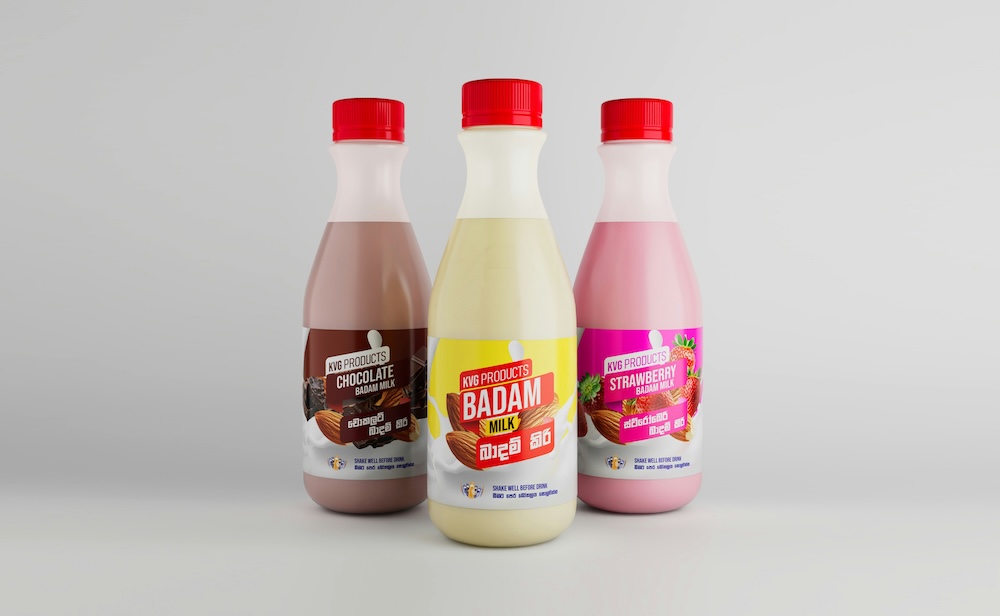
Your milk drink exemption ends in January 2028. Here's what you need to do
Milk-based drinks lose their SDIL exemption from 1 January 2028. Calculate your liability with the lactose allowance, and plan your reformulation now.
-
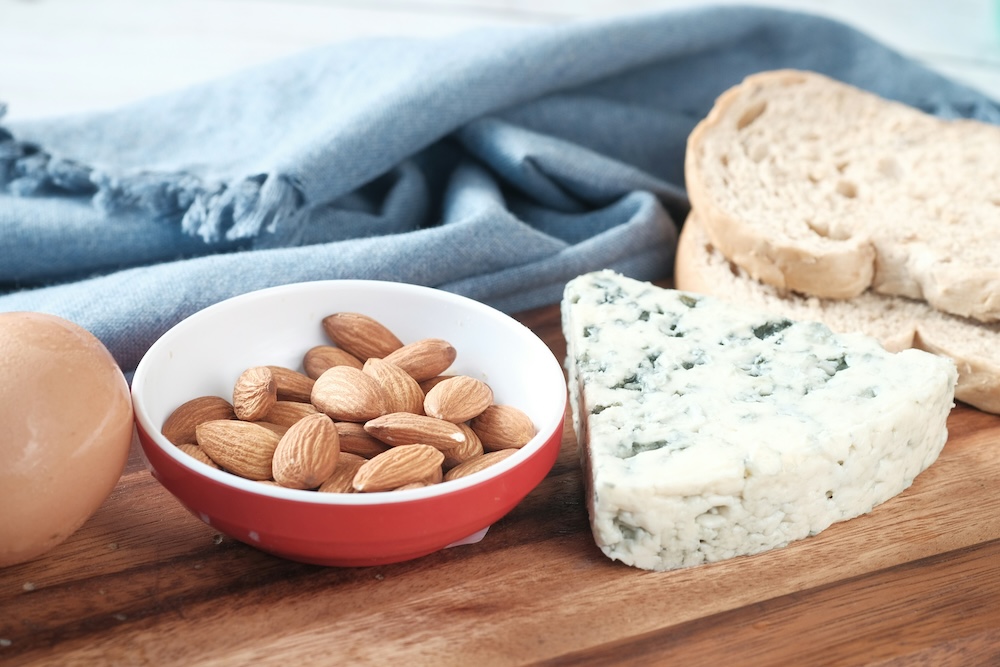
When should precautionary allergen labelling be used?
Use precautionary allergen labelling only when a risk assessment finds a cross-contact risk you can't remove. The UK rules, and how Codex changes them.
-

What is HFSS? Meaning, rules and how to check your product
HFSS means high in fat, salt or sugar. Which UK rules apply to your brand, the 13 categories, and how to check your product's score in minutes.
-
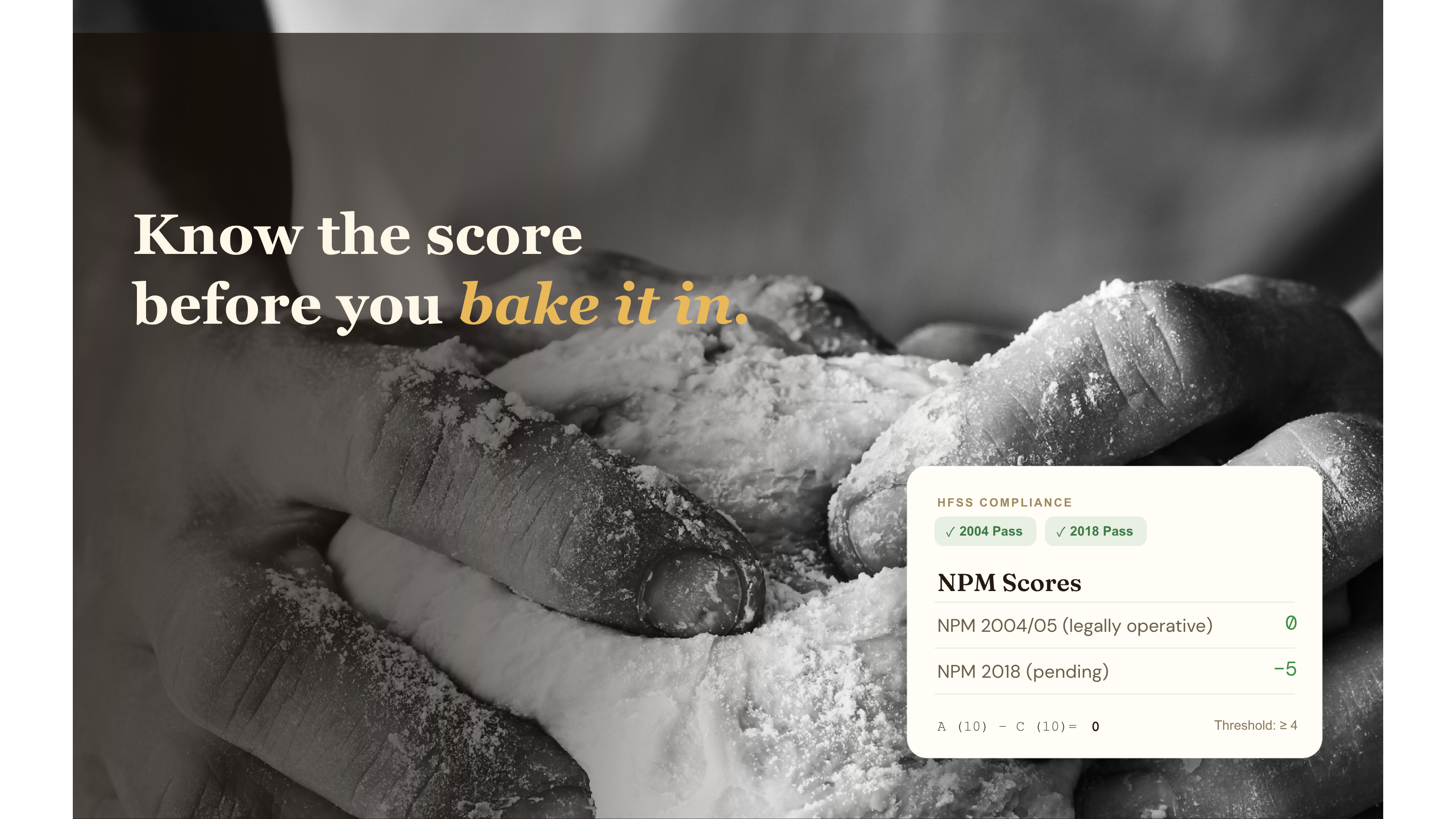
NPM 2018 update: what changed and what to do now
The NPM 2018 update, published January 2026, changes how HFSS scores are calculated. Here's what changed, who's affected, and how to recalculate your product.
-

Fibre in drinks: why it's hard to formulate and harder to claim
Fibre in functional beverages is one of 2026's biggest NPD briefs. But solubility, viscosity, shelf life, and UK label claims each push back. Here's what formulators need to know.