Posts tagged “Compliance”
-

Do you need lab testing for a UK nutrition label?
UK law lets you calculate nutrition values from your recipe instead of paying a lab. Here's when a calculation is enough and when lab testing is worth it.
-

Baby and toddler food guidelines: what to fix by February 2027
Office for Health Improvement and Disparities (OHID) guidelines set sugar, salt and labelling targets for baby and toddler food by February 2027.
-
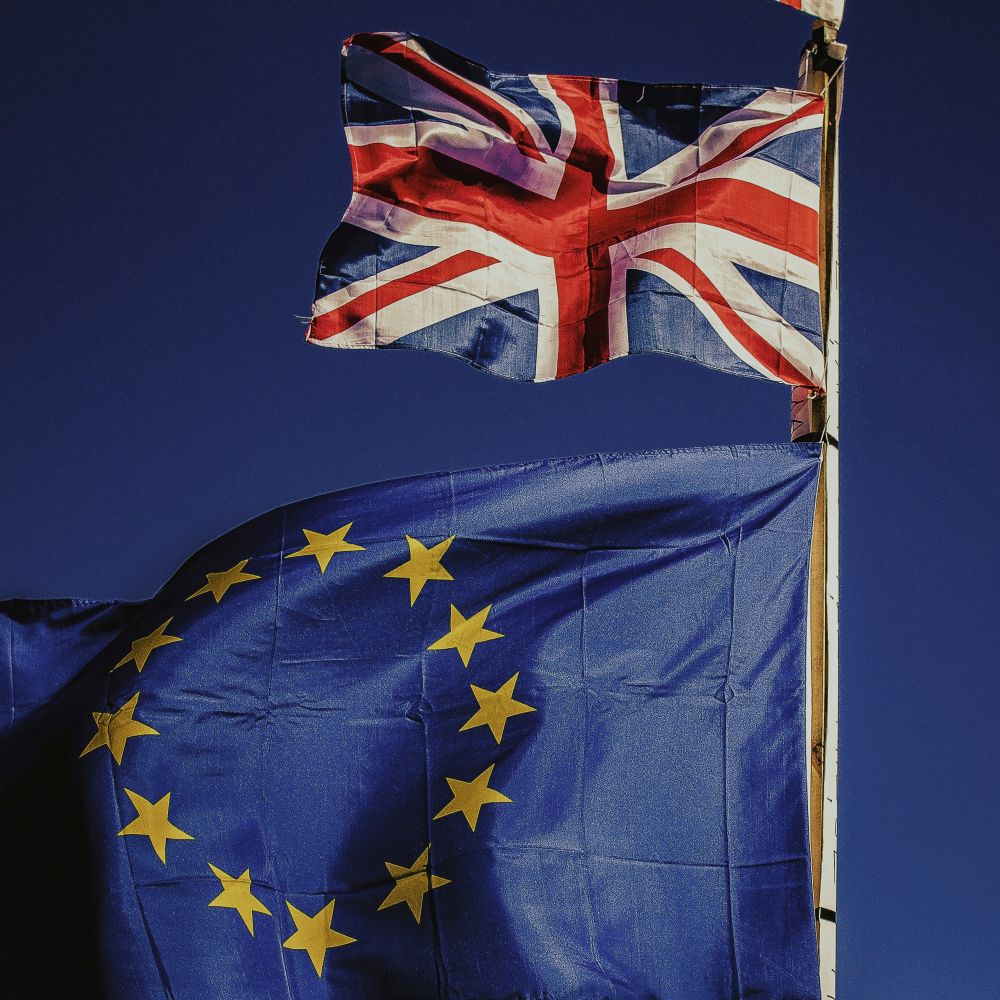
UK-EU SPS agreement: what dynamic alignment means for food teams
The UK-EU SPS agreement could make every GB food authorisation cease to apply overnight. Here's what dynamic alignment means and what to check now.
-
May contain vs not suitable for: UK allergen labels
FSA rules allow both "may contain" and "not suitable for" on allergen labels, but never say which to use. Here's a practical decision framework.
-
UK food origin labelling: what's already law, and what isn't yet
UK origin labelling already covers meat and fish. Flag claims and composite foods don't, and two rival proposals are fighting over what comes next.
-

What is precision-fermented protein? Has the UK approved it?
The US has cleared seven precision-fermented proteins for sale. The UK and EU have cleared none. Here is why, and the allergen risk hiding behind it.
-
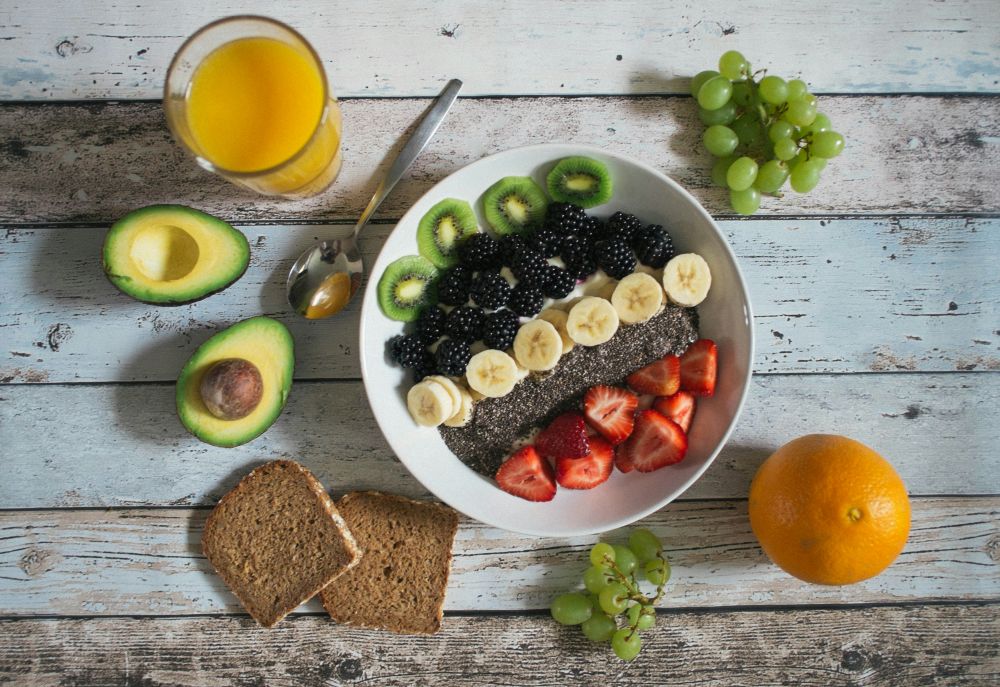
What actually counts as 'healthy' food in the UK?
There's still no agreed definition of "healthy" in UK food law, even as mandatory sales reporting on it moves closer. Here's what's confirmed, and what isn't.
-
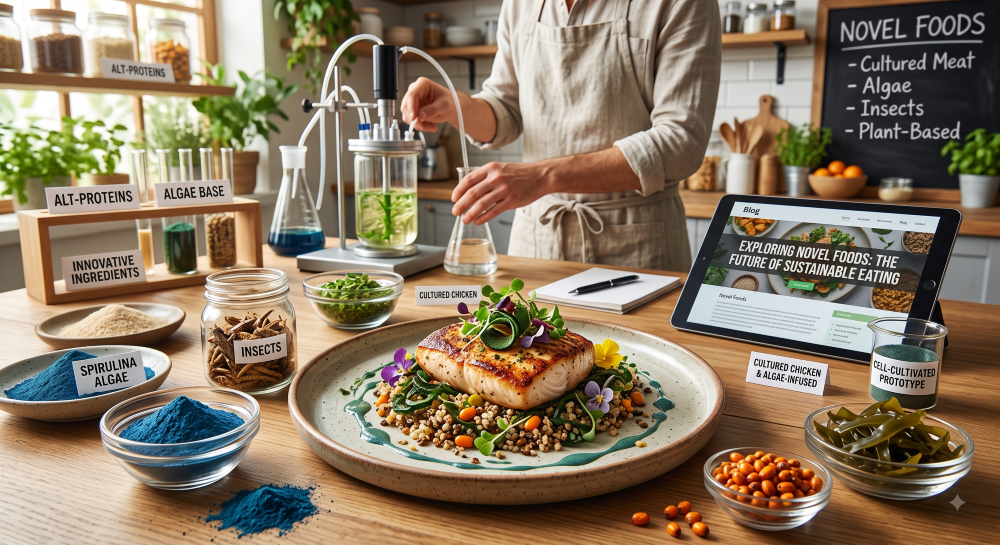
UK novel food authorisation: should you wait for the EU?
The FSA is telling some novel food applicants to plan for the EU route as the UK-EU SPS Agreement nears. Here's how to decide for yours.
-
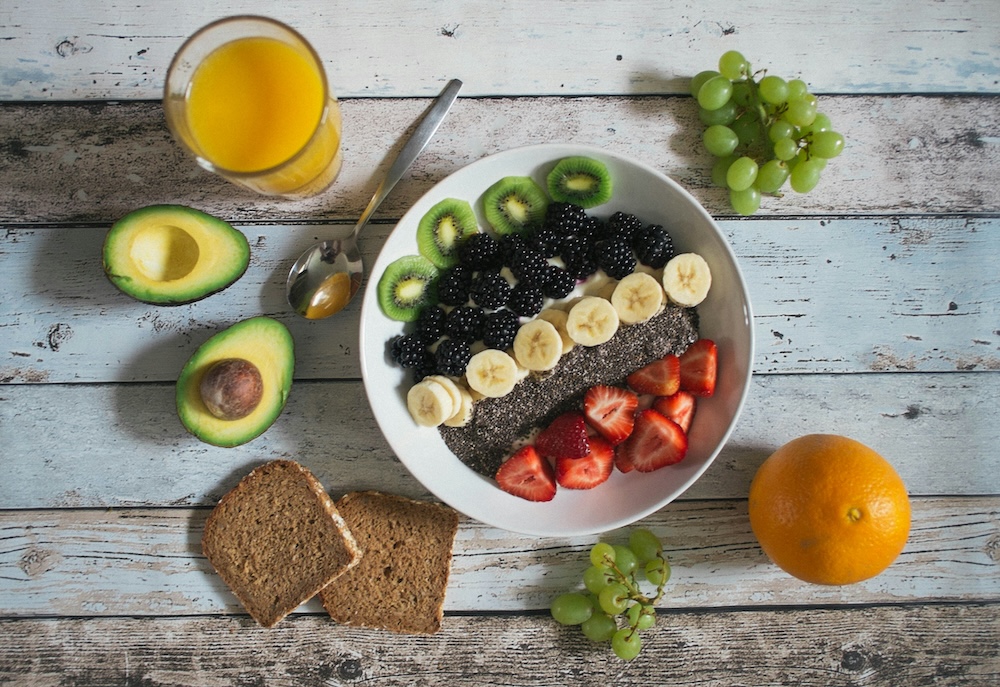
Is fibre included in carbohydrates on UK food labels?
No. Under Regulation 1169/2011, UK labels list fibre separately from carbohydrate, unlike US labels. Why it matters for energy maths and your spec sheet.
-
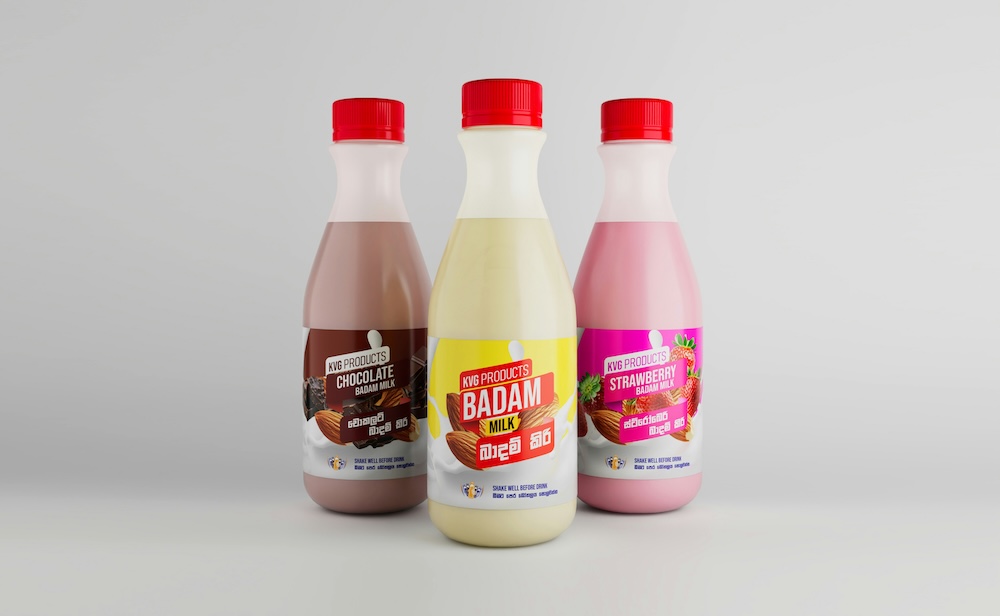
Your milk drink exemption ends in January 2028. Here's what you need to do
Milk-based drinks lose their SDIL exemption from 1 January 2028. Calculate your liability with the lactose allowance, and plan your reformulation now.
-
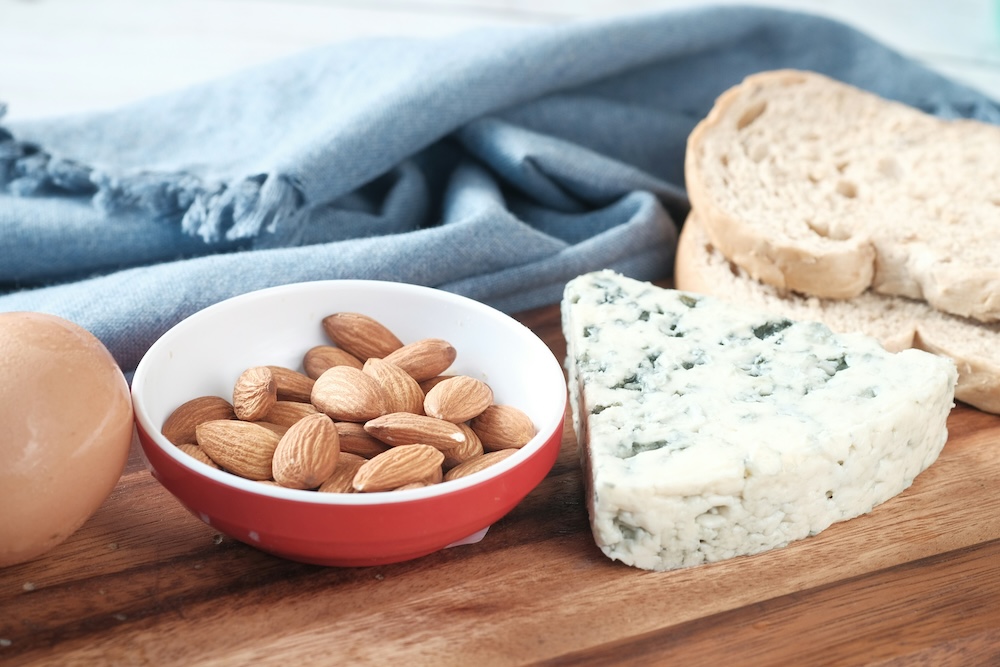
May contain: when to use precautionary allergen labels, and when you shouldn't
"May contain" labels are voluntary, but the rules on using them are strict. What UK food brands need to know now the first global PAL standard is here.
-

What is HFSS? UK categories, NPM score and thresholds
Is your product HFSS? Check the 13 UK categories, the NPM score thresholds (4 for food, 1 for drink) and a worked example. Scotland's rules are now in force.